
Home >

When to Call a Remodeler

When to Call a Remodeler

Top Signs Your Remodeling Project Needs a Professional Touch for Optimal Quality
Madeline Birch | 2026-01-14

Quality in remodeling isn't just an aesthetic choice—it's a necessity for ensuring safety, longevity, and value in your home. As you embark on your next project, understanding the importance of professional craftsmanship can save you from future headaches.

What You Will Learn

  • Investing in quality renovations can significantly enhance your home's longevity and overall value.
  • DIY projects may seem cost-effective but can lead to unexpected expenses and time commitments.
  • Recognizing signs that indicate a need for professional help can save you from costly mistakes.
  • Establishing quality assurance measures ensures that remodeling projects meet high standards.

Why Quality Matters and When to Call a Pro

This visual summarizes key aspects of quality in home remodeling, emphasizing longevity, value, and safety, while also highlighting clear indicators for when professional assistance is essential.

Why Quality Matters in Remodeling

  • Longevity: Stands the test of time
  • Value Addition: Increases home resale value
  • Safety: Reduces hazards
  • Aesthetic Appeal: Enhances look & feel

Signs Professional Help is Needed

  • Complexity: Structural, plumbing, electrical
  • Time Constraints: Need efficient completion
  • Quality Assurance: Warranties, guarantees
  • Safety Concerns: Major renovations, hazards

Understanding the Importance of Professional Quality in Remodeling Projects

When diving into a remodeling project, the quality of the work can make or break your home’s value and enjoyment. As someone who has navigated many home projects, I can attest that investing in professional quality isn't just about aesthetics—it's about ensuring safety, durability, and long-term satisfaction. No homeowner wants to see their dream kitchen turn into a nightmare due to poor workmanship!

So why does quality matter so much in home remodeling? It’s simple: high-quality work translates to fewer issues down the line, saving you time and money on potential repairs. Think about it: a shoddy remodel can lead to recurring headaches, whereas a job well done brings peace of mind.

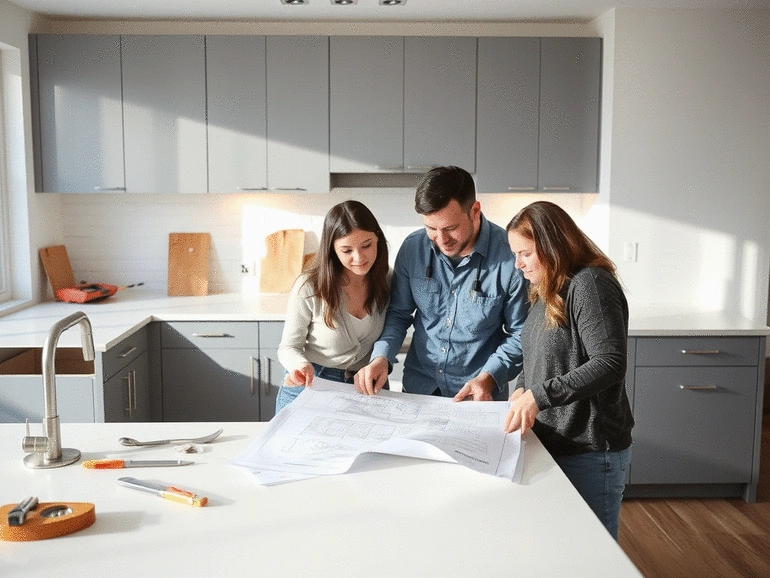
Professional contractor discussing renovation plans with homeowners in a modern kitchen

Why Quality Matters in Home Remodeling

Understanding the significance of quality in remodeling can help you avoid costly mistakes. Here's why it should be a top priority for homeowners:

  • Longevity: Quality materials and craftsmanship mean your renovations will stand the test of time.
  • Value Addition: High-quality renovations can significantly increase your home’s resale value. For more insights into increasing your home's value, you can consult resources from the Contractors State License Board.
  • Safety: Proper installation reduces the risk of safety hazards, giving you peace of mind.
  • Aesthetic Appeal: Quality work enhances the overall look and feel of your home.

As a remodeling enthusiast, I encourage you to think about these factors before jumping into any project. Quality truly pays off in the long run, making it a critical component of your decision-making process.

Common Misconceptions About DIY Remodeling

Many homeowners believe that DIY projects are always the best choice for saving money, but that’s not always the case. While tackling smaller tasks can be fulfilling, there are big misconceptions to address:

  • It’s Cheaper: DIY can become pricey when considering materials and tools, plus the time invested.
  • All Projects are Doable: Some projects require specialized skills that a homeowner might not possess.
  • Instant Results: Expecting a quick turnaround can lead to rushed work and mistakes.

I’ve seen too many friends dive into projects thinking they'll save money, only to find themselves in over their heads. It’s essential to recognize when a professional’s touch is needed for quality outcomes. For complex projects, it's particularly important to understand the regulations, such as those outlined by the EPA's Renovation, Repair, and Painting Program, especially when dealing with older homes.

The Role of Quality Assurance in Home Improvement

Quality assurance in remodeling goes beyond just having skilled hands at work. It's about establishing systems that ensure your project meets the highest standards. Here are some key elements to consider:

  • Regular Inspections: Having checkpoints throughout the project can catch issues before they escalate.
  • Clear Specifications: Detailed plans and contracts ensure everyone knows what to expect and what is required.
  • Client Feedback: Open communication allows for adjustments based on homeowner preferences during the process.

In my experience, quality assurance can prevent headaches later on and ensure a smoother renovation process. So, as you embark on your journey, prioritize these factors for a successful outcome.

Identifying the Signs That Indicate a Need for Professional Assistance

The decision to hire professionals can sometimes feel daunting. However, recognizing specific indicators can help you make the right choice for your remodeling needs. Here are some signs that it may be time to bring in the experts!

Pro Tip

When planning your remodeling project, always prioritize obtaining multiple quotes from different contractors. This not only helps you gauge standard pricing but also provides insight into each contractor's approach and expertise. A competitive bidding process can lead to better value and ensure you're selecting a professional who aligns with your vision and quality standards.

Frequently Asked Questions About Home Remodeling

Q: How does professional quality impact my home's value?
A: Professional quality significantly enhances your home's longevity, safety, and aesthetic appeal, all of which contribute to a higher resale value and long-term satisfaction. High-quality work minimizes future repair costs and ensures structural integrity.
Q: When should I consider hiring a professional instead of doing a DIY project?
A: You should consider hiring a professional for projects involving structural changes, complex systems (like plumbing or electrical), tight deadlines, or when you need warranties and guarantees. Major renovations or projects with potential safety hazards also warrant professional expertise.
Q: What are the key elements of quality assurance in a remodeling project?
A: Key elements include regular inspections throughout the project, clear specifications and detailed contracts, and open client feedback channels. These measures ensure that the project meets high standards and client expectations from start to finish.
Q: What steps should I take to prepare for a successful remodeling experience?
A: To prepare, conduct thorough research on contractors, set clear goals and a budget, schedule consultations with multiple professionals, and meticulously review all contracts. This proactive approach helps ensure a smooth and successful renovation.
Q: How can I find a trustworthy remodeling contractor?
A: Look for contractors with positive client testimonials, strong portfolio examples, and verified credentials like licenses and insurance. Don't hesitate to ask for references and check their professional affiliations; for example, organizations like NARI (National Association of the Remodeling Industry) often provide guidelines for selecting remodelers.

Key Takeaways: Ensuring Quality in Your Remodeling Project

As we wrap up our discussion on ensuring quality in your remodeling project, it's essential to highlight some key takeaways. In my experience with Home Remodeling Insights, I’ve seen how vital it is to be aware of the signs that indicate when professional help is needed. From recognizing quality craftsmanship to understanding the importance of effective communication with contractors, these factors play a crucial role in your project's success!

Homeowners reviewing a detailed remodeling contract with a professional contractor

Summary of Signs That Indicate Professional Help is Needed

When embarking on a remodeling journey, knowing when to call in the experts can save you time, money, and stress. Here are some clear indicators that professional assistance may be necessary:

  • Complexity of the Project: If your project involves structural changes or complex systems like plumbing and electrical work, seeking a professional is often the best choice.
  • Time Constraints: If you’re on a tight schedule and need the project completed efficiently, professionals have the skills and resources to ensure timely completion.
  • Quality Assurance: If you have concerns about the quality of work, a professional can provide warranties and guarantees that DIY projects may lack.
  • Safety Concerns: Projects that involve safety risks, such as major renovations or hazardous materials, warrant professional oversight.

These signs can help guide your decision-making process and ensure that you’re making the best choice for your home renovation.

Next Steps: How to Prepare for a Successful Remodeling Experience

Once you've identified the need for professional help, it’s time to prepare for a successful remodeling experience. Here are some steps I recommend as you move forward:

  • Conduct Research: Look into contractors in your area, read reviews, and gather referrals from friends or family.
  • Set Clear Goals: Outline your project goals, timeline, and budget to communicate effectively with potential contractors.
  • Schedule Consultations: Meet with multiple contractors to discuss your project, get quotes, and understand their approach.
  • Review Contracts Thoroughly: Ensure all aspects of the project, including timelines, costs, and warranties, are clearly outlined in the contract before signing.

By following these steps, you’ll be well on your way to a rewarding remodeling experience!

Essential Design Consultation Tips for Your Home Renovation

Engaging in a design consultation is a pivotal step in your remodeling journey. Here are some tips to make the most of your meetings:

  • Be Prepared: Bring inspiration images, sketches, and a list of your must-haves to communicate your vision effectively.
  • Ask Questions: Don’t hesitate to inquire about the contractor's design process, materials, and previous projects.
  • Consider Functionality: Ensure that your design choices support your daily life and the long-term functionality of your home.
  • Stay Open-Minded: Be receptive to suggestions from your designer; they may offer insights or solutions you hadn’t considered!

Taking these tips into account will help you create a cohesive plan that aligns with your vision and the professional’s expertise.

Engaging with Professionals: Building Long-Term Relationships

Building a lasting relationship with your contractor can greatly benefit your future home improvement endeavors. As someone who's navigated this journey, I encourage homeowners to consider the long-term potential of these partnerships.

Post-Project Support: Maintenance and Follow-Up Services

After your project is complete, it’s important to discuss maintenance and follow-up support with your contractor. Here’s what to look for:

  • Warranty Coverage: Ensure you understand what is covered post-project and how long the warranty lasts.
  • Maintenance Recommendations: Ask for any specific maintenance tips to prolong the life of your renovations.
  • Service Agreements: Inquire if the contractor offers ongoing maintenance services to keep your renovations in top shape.

This proactive approach can lead to smoother future projects and peace of mind!

Finding the Right Contractor for Future Projects: Tips for Homeowners

When you're ready for your next project, finding the right contractor is crucial. Here are some strategies to consider:

  • Build on Previous Relationships: If you had a positive experience with a contractor, consider reaching out to them first for new projects.
  • Utilize Referrals: Don’t hesitate to ask friends or family for recommendations based on their experiences.
  • Check Credentials: Always verify licenses, insurance, and any relevant certifications to ensure you’re working with a qualified professional.

By taking these steps, you can establish a reliable network of professionals for your future remodeling needs!

The Value of Client Testimonials and Portfolio Examples in Choosing a Professional

Lastly, when selecting a contractor, consider the importance of client testimonials and portfolio examples. Here’s how to evaluate them:

  • Read Reviews: Look for honest feedback from past clients to gauge their satisfaction and experience.
  • Review Portfolios: Examine previous projects to assess the contractor’s style and quality of work.
  • Ask for References: Don’t be shy about requesting contact information for previous clients to get first-hand accounts of their experiences.

By valuing these insights, you’ll be better equipped to choose a professional who aligns with your vision and quality standards for your remodeling projects!

Recap of Key Points

Here is a quick recap of the important points discussed in the article:

  • Invest in Quality: Professional quality work ensures safety, durability, and enhances home value.
  • Recognize DIY Limitations: Not all projects are suitable for DIY, especially those requiring specialized skills or posing safety risks.
  • Prioritize Quality Assurance: Regular inspections, clear specifications, and client feedback are vital for maintaining high standards in remodeling.
  • Identify When to Seek Help: Complexity, time constraints, and safety concerns are key indicators that professional assistance is needed.
  • Prepare for Success: Conduct thorough research, set clear goals, and review contracts to ensure a successful remodeling experience.
Subscribe & Share

About Home Remodeling Insights

At Home Remodeling Insights, led by Madeline Birch, we empower homeowners to confidently navigate remodeling decisions by providing clear, practical advice on DIY projects versus hiring professionals. Join us to make your home improvement journey informed and successful.