Structural Issues: Termites, Leaks & Unforeseen Repairs
Unexpected damage beneath surfaces can significantly increase costs if not identified early. Budget for thorough inspections.

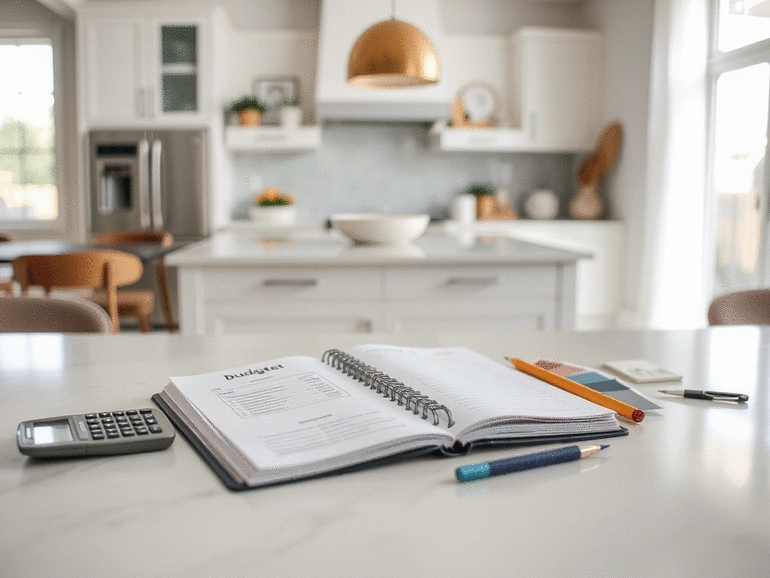
As you embark on your home remodeling journey, it's essential to prepare for the unexpected. What if the costs you anticipated were only half the battle? Understanding the hidden expenses can be the key to a successful renovation.
Understanding the various hidden costs can empower homeowners to budget accurately and avoid unexpected financial stress during remodeling projects. This visual highlights key areas where expenses often arise.
Unexpected damage beneath surfaces can significantly increase costs if not identified early. Budget for thorough inspections.
Modifications during the project can lead to extra expenses in materials, labor, and time. Clear communication is key.
Remodeling can increase utility usage. For major renos, temporary housing costs might also need to be factored in.
Prices for materials can fluctuate due to market trends or supply disruptions. Budgeting for potential increases is wise.
Necessary permits and inspections ensure compliance but add to the overall cost. Never overlook these essential fees.
Always allocate 10-20% of your total budget for unforeseen issues to avoid financial strain during your renovation.
Home remodeling can be an exciting journey, but it can also present unexpected hurdles. One of the biggest challenges homeowners face is accurate budgeting. Understanding not only the obvious costs but also the hidden ones can mean the difference between a successful project and a financial headache. As a home improvement enthusiast, I’ve seen firsthand how crucial it is to plan for these hidden expenses before diving into your remodel!
Many homeowners underestimate the complexity of budgeting for a remodel. It's not just about the cost of materials or labor; there are many layers to consider. That’s why I’m here to help you navigate this tricky landscape. Let’s explore why accurate budgeting is essential and uncover some common misconceptions about remodeling costs.
When embarking on a remodeling project, creating an accurate budget is vital. It helps you set realistic expectations and protects you from the stress of overspending. Here are some reasons why you should prioritize budgeting:
In my experience, having a budget not only keeps your project on track financially but also provides peace of mind. When you know exactly what you can spend, it makes decision-making easier! For insights into the financial aspects of home improvement, the U.S. Department of Housing and Urban Development (HUD) offers valuable resources on home improvements.

Many homeowners approach remodeling with misconceptions about costs. Let’s tackle a few of the most common myths that might lead you astray:
These misconceptions can cloud your judgment if you're not careful. It's essential to arm yourself with accurate information and realistic expectations to navigate your remodeling project effectively!
Once you understand the importance of budgeting, the next step is to identify the key hidden costs that can affect your project. Let’s dig into some of the most common areas where expenses can pop up unexpectedly!
Before diving into any remodeling project, it's crucial to assess your home's structural integrity. Hidden issues can escalate costs quickly and derail your plans. Here are a couple of significant concerns to keep in mind:
Termite damage and water leaks can be lurking beneath your walls and floors. If these issues aren't addressed before starting your remodel, they can lead to costly repairs. It's wise to have a thorough inspection done before any work begins to identify these potential problems.
Even with the best planning, unforeseen repairs can arise. Whether it's wiring issues or plumbing concerns, these unexpected repairs can add significant costs to your project. Make sure to allocate extra funds for these situations.
Change orders can come at a steep price, so understanding their impact on your budget is essential. Let’s break down how they work.
Design changes during a remodel often lead to additional expenses. Each alteration can affect materials, labor, and timelines. If you’re considering changes, it’s best to discuss them upfront to understand the financial implications!
To keep change orders under control, communicate clearly with your contractor. Document any changes made and discuss their impact on both the timeline and budget. This way, you can manage any unexpected costs more effectively.
Remodeling can significantly impact your utility costs and may require temporary housing. Here’s what to plan for:
Many homeowners overlook how remodeling can increase utility bills. Additional electricity and water usage, as well as increased heating or cooling needs, can add up. Consider these variables in your budget to avoid surprises!
In some cases, you might need to move out during the renovation. If that’s the case, factor in temporary housing costs. It’s essential to budget for this to ensure a smooth transition throughout your remodeling process.
Materials can fluctuate in price, impacting your overall budget. It’s essential to stay informed about these trends.
Market trends, supply chain disruptions, or seasonal demand can cause material prices to rise unexpectedly. Being aware of these trends can help you plan better and perhaps even buy materials ahead of time when prices are lower. The Joint Center for Housing Studies of Harvard University provides detailed reports on the remodeling market, which can offer insights into material cost trends.
To prepare for potential increases in material costs, consider setting aside a percentage of your budget specifically for materials. This will provide a cushion against unexpected price hikes!

Permits and inspections are essential parts of any remodeling project, yet they can often be overlooked in the budgeting stage. Here’s what you need to know:
Permits ensure that your project complies with local building codes. Not budgeting for these can lead to fines or having to redo work. Always check with your local regulations to understand what’s needed!
Home inspections may also be necessary to identify potential issues before or after construction. Ensure you include these costs in your overall budget to avoid any financial shock.
When it comes to labor, understanding the costs associated with DIY versus hiring professionals is crucial. Let’s examine this aspect:
While hiring professionals can seem more expensive, their expertise often saves you time and money in the long run. They can efficiently handle unexpected issues that may arise during the project! For a comprehensive look at the value addition of professional remodeling, the National Association of Realtors (NAR) publishes an annual Remodeling Impact Report, which details the return on investment for various home improvements.
On the other hand, there are smaller projects that can be tackled successfully on your own. Just be realistic about your skills and abilities. If something seems too complicated, it’s often best to leave it to the pros.
Understanding your financing options is crucial for managing hidden costs. Here’s what to consider:
Home equity loans can be a great way to finance your remodeling project. They often offer lower interest rates compared to other loans, making them a popular choice for homeowners looking to enhance their property.
Explore various financing options available to you. This could include personal loans or lines of credit. Evaluating your choices can help you manage costs more effectively and keep your project on track!
Finally, it’s essential to have a contingency fund as part of your budget. This fund helps mitigate the impact of unforeseen issues during your renovation.
A good rule of thumb is to set aside 10-20% of your total budget for contingencies. This way, you’re prepared for any unexpected expenses that might arise!
Life is unpredictable, and home renovations are no exception! Having a contingency fund can help you feel more secure and less anxious throughout your remodeling journey.
Before starting your remodeling project, always conduct a thorough inspection of your home. This can help identify hidden issues like termite damage or plumbing problems that could lead to unexpected costs down the line. Addressing these concerns upfront can save you significant time and money, ensuring a smoother remodeling experience!
As we wrap up our discussion on hidden costs associated with remodeling, it’s clear that proper budgeting is the backbone of a successful project. Without a strong grasp on hidden remodeling costs, homeowners can quickly find themselves in a financial bind. When you embark on your renovation journey, remember that every dollar counts, and having an accurate budget can ensure your project is not only feasible but also enjoyable!
In my experience at Home Remodeling Insights, I’ve seen countless homeowners face surprises that could have been planned for. That’s why it's essential to understand and acknowledge the hidden costs that can lurk beneath the surface. Let’s take a moment to review the key takeaways that will empower you as you prepare for your remodeling adventure.
By integrating these takeaways into your planning process, you can position yourself for a successful remodeling project. And remember, budgeting is not just about numbers; it’s about crafting a well-thought-out plan that aligns with your vision for your home!
Starting your remodeling journey can feel overwhelming, but taking it step-by-step can make all the difference. Begin by listing out all potential costs associated with your project, including materials, labor, and any surprises. I recommend breaking down your budget into categories for clarity. For example, you could have sections for materials, labor, permits, and contingency funds.
With a solid plan in hand, you're well on your way to ensuring your remodeling experience is financially sound and rewarding!
Finding the right contractor is crucial to your remodeling success. Start by asking for recommendations from friends or family, and don't hesitate to check online reviews. Once you have a shortlist, meet with them to discuss your project in detail. It’s important to feel comfortable and confident in their expertise!
By maintaining clear lines of communication, you can build a strong partnership that leads to a successful remodeling endeavor.
The design-build approach can simplify your remodeling process by combining both design and construction under one roof. This method can save time and prevent miscommunication by keeping everything centralized. If you choose to go this route, here are some factors to consider:
This approach not only streamlines communication but also helps in keeping your project on schedule and within budget. As you move forward, remember that the goal is to create a space that truly reflects your style and enhances your home!
Here is a quick recap of the important points discussed in the article: